Sciatica Explained: What It Is, Why It Happens, and How to Stop It Coming Back
Understanding Sciatica: Causes, Symptoms, and When to Seek Help

Sciatica is used to describe lower back and leg pain. It’s a description of symptoms caused by irritation or compression of the sciatic nerve within the lower back (lumbar spine).
The sciatic nerve is the largest nerve in the body. It runs from the nerve roots in the lumbar and sacral spine (L4–S3), travelling through the pelvis, deep into the gluteal region, through the buttocks, and down the posterior aspect of the leg.
When the nerve becomes irritated, it can create pain that travels along this pathway. This may cause uncomfortable sensations such as sharp pain, burning, or tingling, and in some cases can become severely limiting to daily movement.
The important thing to understand is that sciatica is usually a symptom of an underlying issue. Unless the root cause is addressed, the pain often returns.
What Causes Sciatica?
Sciatica happens when the nerve is compressed, inflamed, or irritated. Common causes include:
- A disc bulge or disc herniation in the lower back
- Age-related changes in the spine (degeneration)
- Spinal stenosis (narrowing of the spinal canal)
- Tight muscles in the buttock, such as the piriformis muscle
- Poor posture and prolonged sitting
- Weak core and glute muscles
- Repetitive strain or improper lifting
In many cases, it is not caused by one dramatic injury. Instead, it develops gradually due to repeated overload, poor movement habits, and reduced strength over time.
Common Symptoms
Sciatica usually affects one side of the body. Some people feel mostly leg pain with little back pain, while others experience both.
Common symptoms include:
- Sharp or shooting pain from the lower back into the leg
- Burning or electric-like sensations
- Tingling or “pins and needles”
- Numbness in the foot or lower leg
- Muscle weakness
- Pain that worsens when sitting or bending
Red Flags: When to Seek Urgent Medical Attention
Most sciatica improves with conservative treatment under physiotherapy supervision and guidance. However, you should seek urgent medical attention (A&E) if you experience the following symptoms.
These may indicate Cauda Equina Syndrome, a rare but serious compression of the nerves at the bottom of the spinal cord that requires immediate medical assessment.
- Loss of bladder or bowel control
- Numbness around the groin or inner thighs
- Severe or worsening leg weakness
- Sudden symptoms after a serious fall or accident
- Fever with severe back pain
Why Physiotherapy Is So Important
Many people focus on short-term relief such as rest, painkillers, or massage. While these may reduce discomfort temporarily, they do not address the underlying problem.
Physiotherapy looks deeper with a thorough assessment that helps identify:
- Where the nerve irritation is coming from
- Which movements aggravate symptoms
- Weak or underactive muscles
- Stiff joints contributing to overload
- Postural habits increasing strain
Finding the root cause through a physiotherapy assessment is key to recovery. Without understanding why the nerve is irritated, treatment becomes guesswork and the pain is more likely to return.
What Does Treatment Involve?
Physiotherapy focuses on reducing pain and progressing rehabilitation, rebuilding strength and endurance so the spine can tolerate everyday demands and creating a strong foundation to prevent symptoms returning.
Treatment may include:
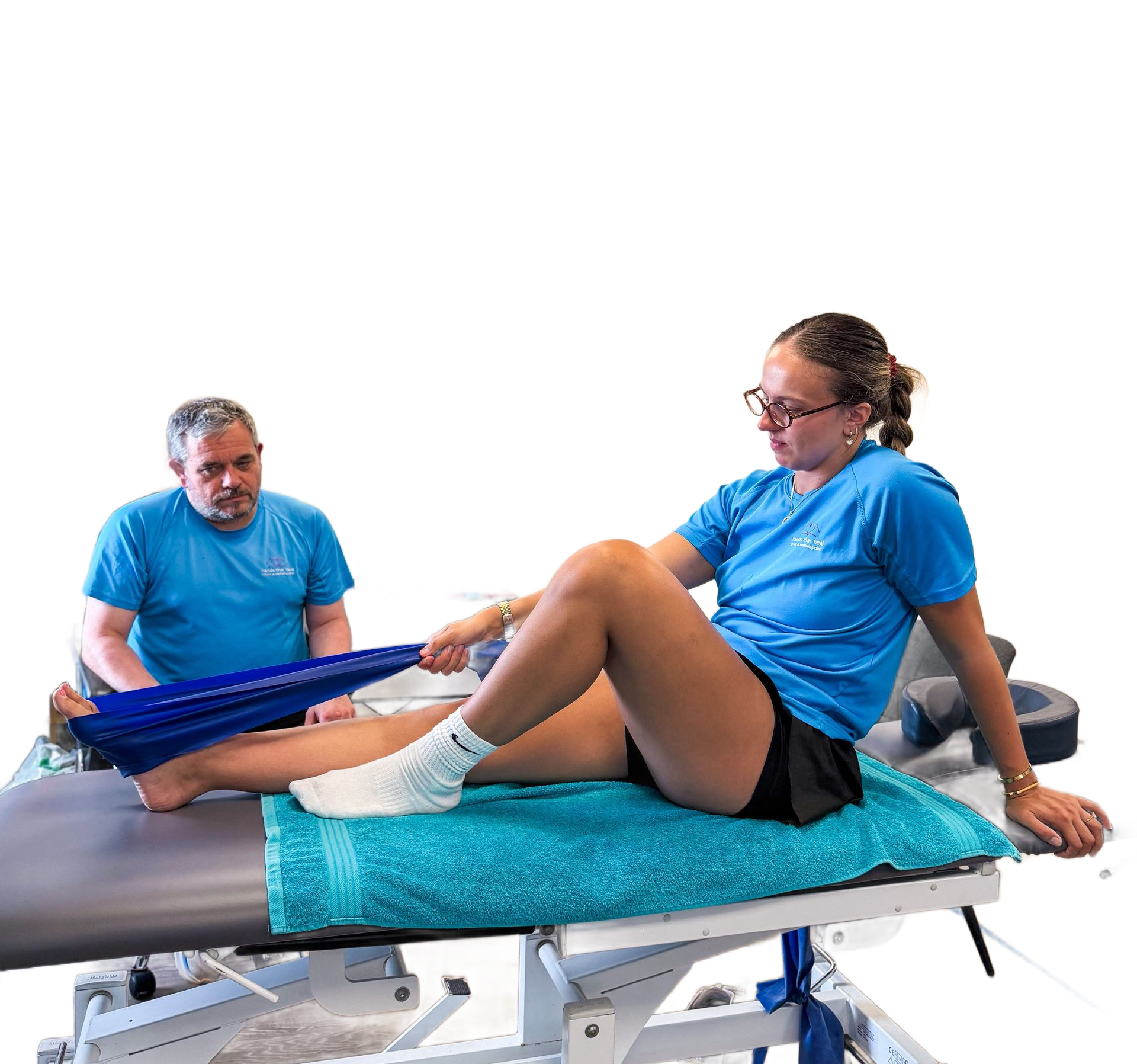
- Specific exercises to reduce nerve sensitivity
- Targeted core strengthening
- Glute and hip strengthening
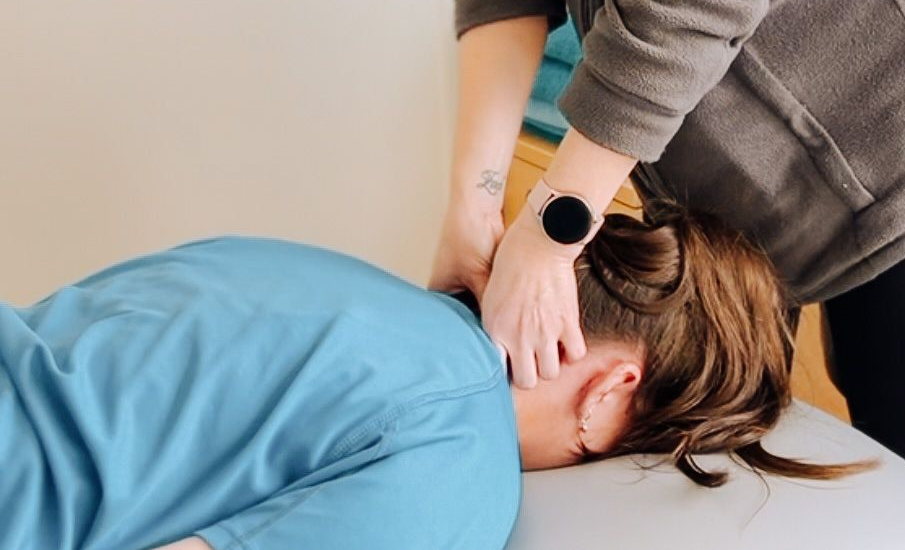
- Manual therapy to improve mobility
- Nerve gliding techniques
- Postural correction
- Education on lifting and sitting habits
The Role of Pilates in Recovery and Prevention
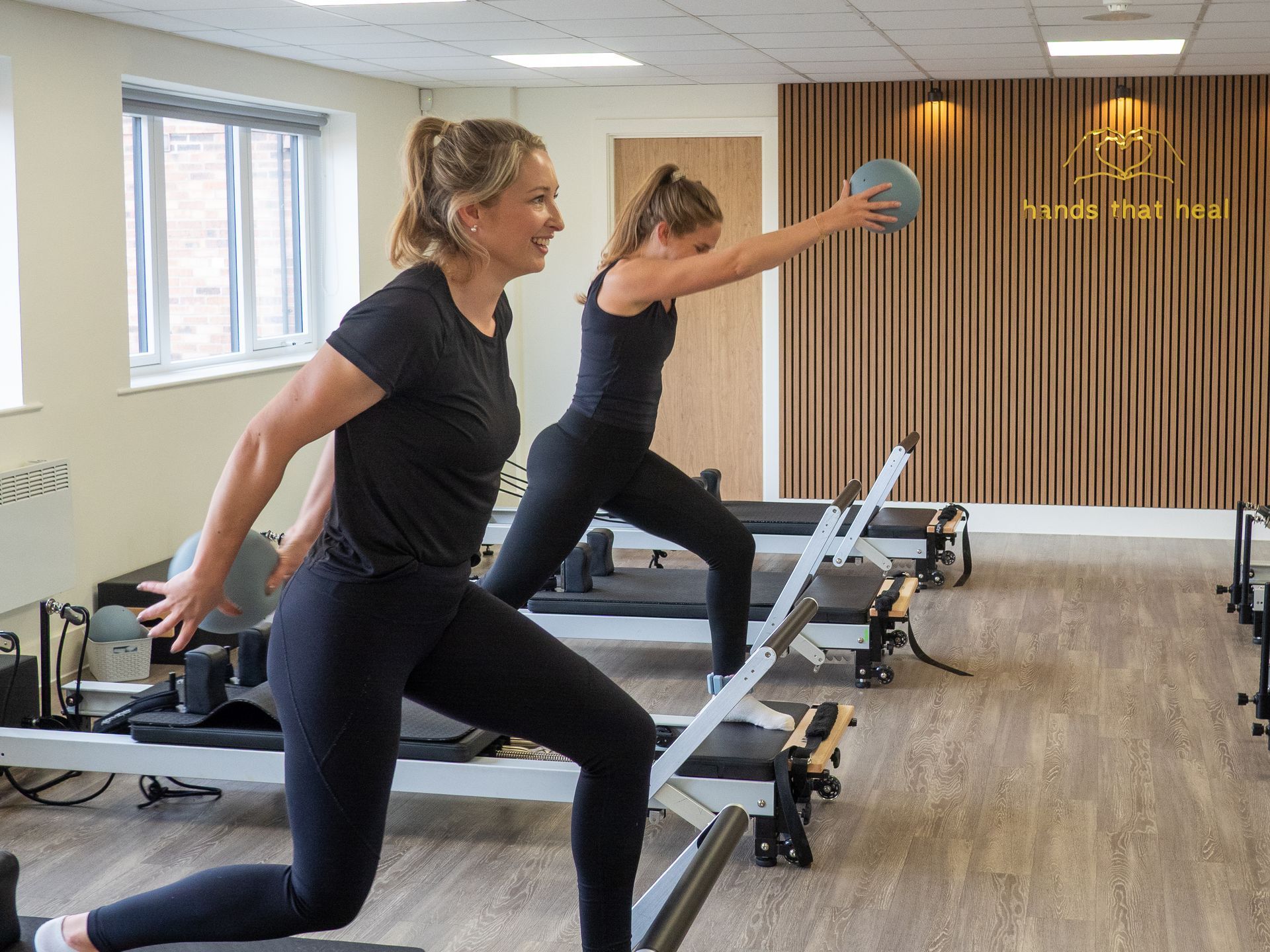
Physiotherapy-based Pilates is one of the most effective long-term tools for managing and preventing sciatica.
Rather than pushing through pain with poor form or incorrect exercises, Pilates re-trains movement and builds strength, reducing unnecessary strain on the lower back.
When completed alongside physiotherapy, Pilates supports recovery and helps prevent recurrence by improving control, resilience, and muscular balance throughout the body. It focuses on:
- Deep core muscle activation
- Pelvic stability
- Controlled spinal movement
- Strength through range
- Coordination and body awareness
Long-Term Benefits of Physiotherapy
When the root cause is addressed and strength is rebuilt, the benefits are more than just pain relief.
The goal is not simply to calm symptoms down. It is to make your body stronger and more capable than before.
Benefits may include:
- Improved posture
- Greater spinal stability
- Stronger core and hips
- Reduced risk of flare-ups
- Increased confidence in movement
- A safe return to exercise and sport
Prevention Over Quick Fixes
Sciatica often develops over time, and preventing it from returning requires a long-term approach.
Quick fixes may ease pain temporarily, but building strength creates a strong foundation for the body.
This includes:
- Maintaining strength
- Staying consistent with exercises
- Avoiding prolonged inactivity
- Listening to early warning signs
- Continuing progressive loading
Final Thoughts
Sciatica can be painful, frustrating, and demotivating.
With a thorough assessment, targeted physiotherapy treatment, structured strengthening, and the addition of Pilates, recovery is achievable and sustainable.
The aim is not just removing pain.
It’s understanding why it started, correcting the underlying problem, and building a stronger body so it doesn’t return.
Looking for Sciatica Treatment Near You?
If you are experiencing lower back or leg pain from sciatica, our experienced team at Hands That Heal Physiotherapy in Pocklington and South Cave can help. We provide personalised physiotherapy assessments, targeted rehabilitation, and physiotherapy-led Pilates to treat the root cause of your pain and support long-term recovery.