Tennis Elbow: Symptoms, Causes and How Physiotherapy Can Help
Tennis Elbow: Symptoms, Causes & Treatment | Hands That Heal
Tennis elbow is one of the most common conditions we treat here at Hands That Heal — and one of the most misunderstood. Despite the name, most people who come to us with this problem have never picked up a tennis racket in their life.
If you are experiencing pain on the outside of your elbow when gripping, lifting, or twisting, you are in the right place. This guide covers everything you need to know: what tennis elbow actually is, why it develops, what the warning signs are, and how the right physiotherapy approach gets you back to full strength.
What Is Tennis Elbow?
Tennis elbow — clinically called lateral epicondylitis or lateral elbow tendinopathy — is an irritation of the tendons that attach your forearm muscles to a bony point on the outside of the elbow known as the lateral epicondyle.
The most commonly affected structure is the extensor carpi radialis brevis (ECRB) tendon. This tendon plays a key role in gripping, lifting, and controlling wrist position. It is built to handle load — but not endless repetition without adequate recovery. When that balance is lost, the tendon gradually becomes weaker and more sensitive to pain.
Who Gets Tennis Elbow?
The name is misleading. While tennis players can certainly develop this condition, the people we most commonly see at our clinics are:
- Office workers using a mouse for long hours
- People lifting weights at the gym
- Tradespeople using hand tools regularly
- Anyone carrying out repetitive gripping or wrist movements
If your arm is being loaded repeatedly throughout the day, tennis elbow is a realistic possibility — regardless of whether you play sport at all.
What Causes Tennis Elbow?
Tennis elbow is no longer considered primarily an inflammation problem. Current understanding describes it as a tendon overload injury: the tendon accumulates stress faster than it can repair itself, gradually breaking down rather than healing.
This rarely happens overnight. It tends to build up quietly in the background until symptoms become hard to ignore. Common contributing factors include:
- Repetitive gripping or wrist movements
- A sudden increase in training load or physical activity
- Poor technique when lifting or exercising
- Weakness in the forearm, shoulder, or upper back
- Long hours at a poorly set-up workstation
- Insufficient rest between repetitive tasks
None of these alone are necessarily a problem — but in combination, they can tip a tendon over the edge.
Common Symptoms of Tennis Elbow
People experience tennis elbow slightly differently, but there are clear patterns to look out for:
- Pain on the outside of the elbow, particularly over or around the bony point
- Pain when gripping, lifting, or twisting objects (turning a door handle, lifting a kettle)
- A weaker grip than normal
- Aching into the forearm
- Tenderness to the touch over the outer elbow
- Symptoms that worsen the more you use it and ease with rest
It often starts mild and gradually becomes more intrusive over days or weeks.
When to Seek Urgent Attention
Most cases of tennis elbow are not serious and respond very well to physiotherapy. However, some symptoms suggest a more complex problem that needs prompt assessment. Do not wait if you have:
- Noticeable weakness in the arm or hand
- Persistent tingling or numbness
- Loss of grip strength that is not improving
- Pain following a fall or direct injury to the elbow
- Severe pain that is not settling at all
If any of these apply, book in to be assessed sooner rather than later. Catching these things early prevents longer recovery times and more complex interventions down the line.
Why Physiotherapy Makes Such a Difference
The most important thing to understand about tennis elbow is that treating the pain is not the same as treating the problem. Many people try rest, ice, or anti-inflammatories — and while these can take the edge off symptoms, they do not address the underlying reason the tendon became overloaded in the first place.
A physiotherapy assessment at Hands That Heal looks at the full picture:
- How much load the tendon is under day to day
- Strength in the forearm, shoulder, and upper back
- Movement patterns and lifting technique
- Work habits, gym training, and daily activities
Once we understand the cause, we can fix it — not just manage it.
What Treatment Looks Like
The goal of treatment is not to avoid using your arm. In fact, complete rest can slow recovery. Instead, we progressively rebuild the tendon's ability to tolerate load in a controlled, structured way.
A typical programme at our clinic may include:
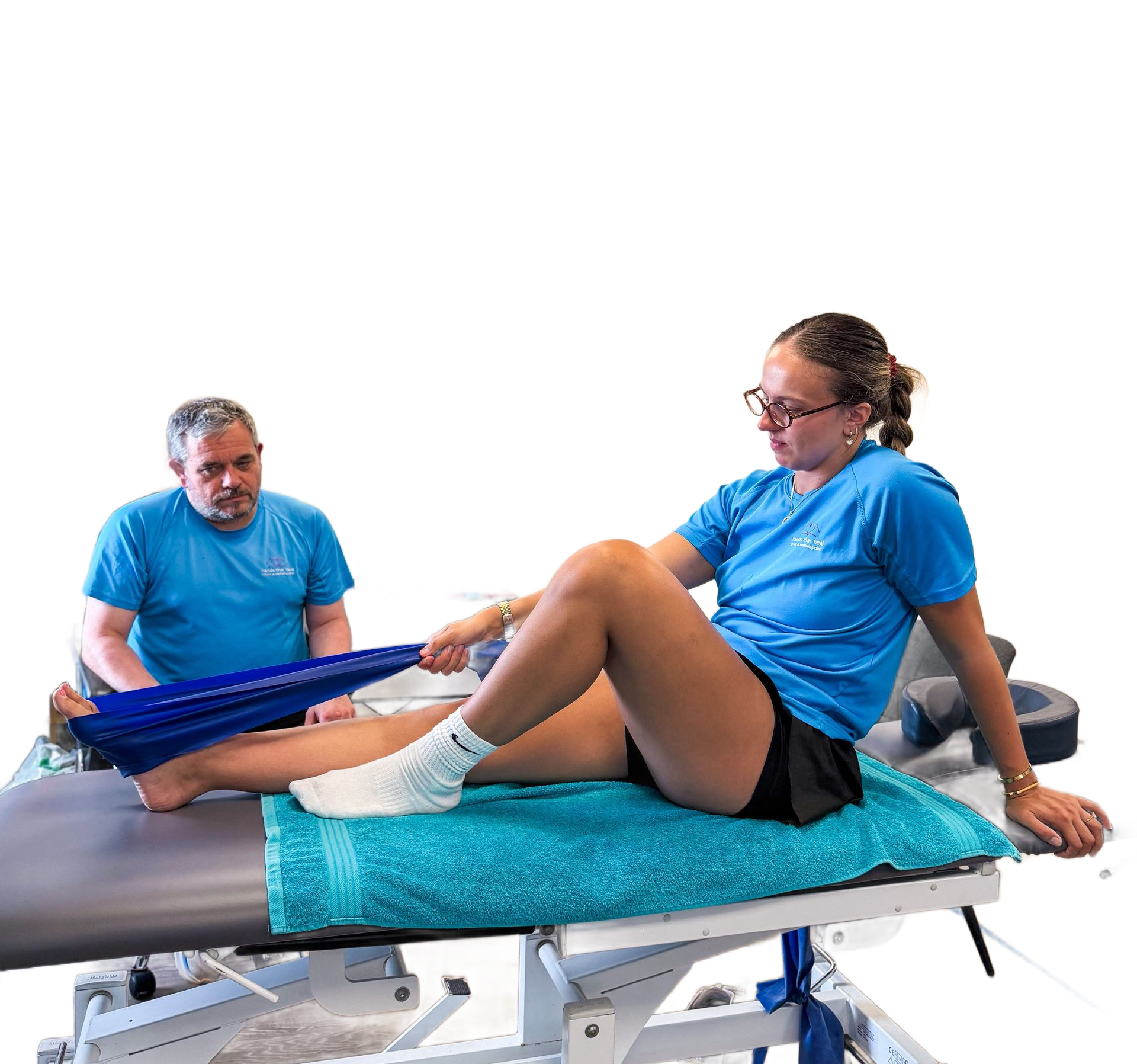
- Gradual tendon loading exercises to stimulate healthy repair
- Forearm strengthening work targeting the affected muscles
- Grip strength training
- Shoulder and upper back rehabilitation to reduce compensatory strain
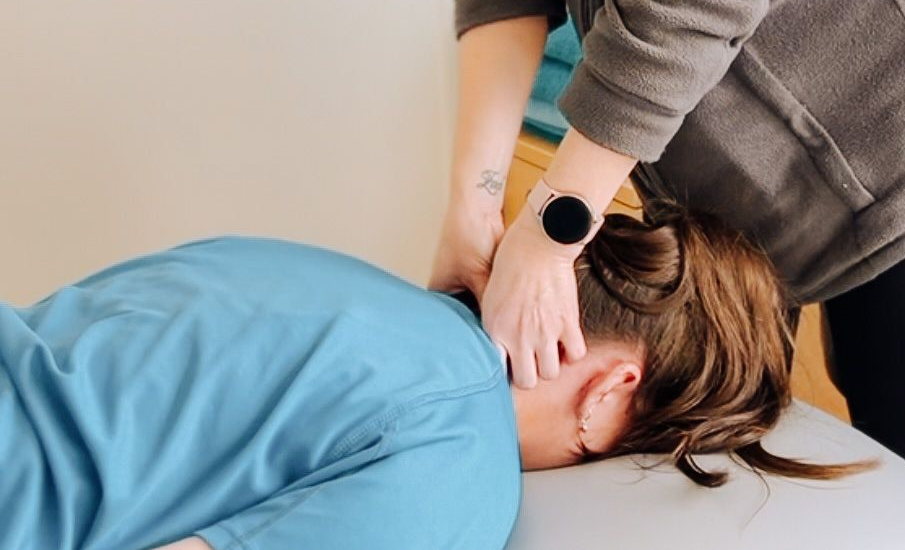
- Hands-on treatment where appropriate
- Adjustments to gym, work, or daily habits to remove the root cause
This is a gradual process — but done properly, it produces results that last.
Shockwave Therapy for Persistent Cases
For cases that have been present for several months or that have not responded to exercise alone, we may recommend shockwave therapy as part of the programme.
Shockwave therapy uses targeted acoustic waves to stimulate a healing response in the tendon tissue. The benefits include:
- Stimulating repair in tendons that have become stuck in a degenerative cycle
- Improving local blood flow
- Reducing pain sensitivity in the area
It is not a standalone treatment, but combined with a structured rehabilitation programme, it can significantly accelerate recovery in stubborn cases. Our therapist Martyn is trained in shockwave therapy and uses it regularly for tendon conditions.
The Long-Term Benefits of Getting It Right
When treatment focuses on the underlying cause rather than just calming symptoms down, the outcomes are far more meaningful. Patients who complete a full rehab programme typically report:
- Less pain with everyday tasks and work
- A noticeably stronger grip
- Better tolerance to gym training and physical activity
- More confidence using the arm without fear of aggravating it
- A lower risk of the problem returning
Preventing Tennis Elbow From Coming Back
Once symptoms settle, the habits and strength gains that helped you recover become your best protection against recurrence. Tendons respond well to consistent loading — but they can flare up again if demand suddenly spikes.
Key prevention strategies:
- Maintain forearm and upper body strength with regular exercise
- Increase activity levels gradually rather than in sudden jumps
- Avoid large spikes in repetitive load — at work or in the gym
- Take regular breaks from sustained gripping tasks
- Stay active overall to keep tendon tissue healthy
These are simple habits, but they make a meaningful difference.
Ready to Get Started?
Tennis elbow is common, often frustrating, and can linger for a long time without the right approach. The good news is that with proper assessment and a structured rehabilitation programme, the vast majority of cases resolve fully.
If you are struggling with elbow pain and want a clear diagnosis and an effective plan, our team at Hands That Heal are here to help.
This blog was written by the clinical team at Hands That Heal. We are a physiotherapy and sports massage clinic based in Pocklington and South Cave, Yorkshire, helping patients recover from musculoskeletal conditions and return to the activities they love.