Plantar Fasciitis: What It Is and How to Deal With It
That Morning Heel Pain? It's More Common Than You Think.
If you've ever taken your first steps out of bed and winced at a sharp pain in your heel, you're not alone. Plantar fasciitis is one of the most common conditions we treat here at the clinic — and one of the most misunderstood.
Many people dismiss it as "just heel pain" and hope it'll go away on its own. Sometimes it does. But more often than not, when the underlying cause isn't addressed, it lingers, worsens, and starts affecting everyday life.
The good news? With the right approach, most people recover brilliantly. Here's everything you need to know.
So, What Actually Is the Plantar Fascia?
The plantar fascia is a strong band of connective tissue running along the sole of your foot, connecting your heel bone to your toes. It supports your arch and helps transfer force every time you take a step — whether you're walking to the kettle or running a 10k.
Because it's under load almost constantly, it can become irritated when the stress placed through it exceeds what it can comfortably handle over time (McPoil et al., 2008).
What Does "Plantar Fasciitis" Actually Mean?
Despite the name, plantar fasciitis isn't simply inflammation. More recent evidence suggests it's better understood as an overload-related tissue problem — the fascia becomes irritated and sensitive due to repeated strain building up over time (Hirschmüller and Weidermann, 2022).
For most people, it creeps up gradually rather than being triggered by one specific moment or injury.
Who Gets It?
Honestly? All kinds of people. We see it in:
- Runners and those increasing their training load
- People on their feet all day at work
- Gym-goers doing a lot of impact-based exercise
- Office workers with tight calves and reduced ankle mobility
- People returning to activity after a break
- Those regularly wearing unsupportive footwear
Research has confirmed that prolonged standing, running load, and restricted ankle mobility are all recognised contributing factors (Koc et al., 2023). It's not just a "runner's problem."
What Causes It?
There's rarely one single culprit. Plantar fasciitis usually develops when several factors stack up together over time. Common contributors include:
- A sudden increase in walking, running, or exercise
- Tight calf muscles
- Reduced ankle mobility
- Weakness through the feet and lower legs
- Worn-out or unsupportive footwear
- Long periods on hard surfaces
- Poor recovery between bouts of activity
When the total load through the plantar fascia outpaces the tissue's ability to recover, pain develops (McPoil et al., 2008).
What Does It Feel Like?
The symptoms vary, but there are some classic signs most people recognise:
- Sharp heel pain first thing in the morning — often the most telling sign
- Pain during the first few steps after sitting or resting
- An aching sensation through the arch of the foot
- Symptoms that ease slightly once you get moving
- Increased pain after prolonged standing or walking
- Tenderness directly underneath the heel
That first-step morning pain is considered a hallmark sign of the condition (Thomas et al., 2010).
Why Pushing Through It Often Makes Things Worse
This is something we see all the time. People are busy, they don't want to slow down, so they push on. Understandable — but unfortunately, when plantar fasciitis isn't managed properly, the tissue becomes increasingly sensitive and less tolerant to everyday loading.
Over time, people start unconsciously changing the way they walk to avoid the pain, which then places extra strain on other parts of the body. Research has shown that persistent plantar heel pain can negatively affect physical activity levels and overall quality of life (Morrissey et al., 2021). The earlier it's addressed, the better.
When Should You Get It Assessed?
While plantar fasciitis usually responds well to physiotherapy, certain symptoms shouldn't be ignored. Please get checked out if you experience:
- Severe pain that isn't improving
- Significant swelling or redness
- Numbness or tingling in the foot
- Pain following a trauma or injury
- Night pain that continues to worsen
- Difficulty bearing weight
These can indicate something else going on that needs further investigation.
Why Physiotherapy Makes Such a Difference
A common misconception is that treatment should focus only on the painful spot. In reality, plantar fasciitis is often linked to strength, mobility, or movement issues elsewhere in the lower limb.
During an assessment, we'll look at:
- Calf flexibility and strength
- Ankle mobility
- Foot mechanics and arch control
- Walking and running patterns
- Hip and lower limb strength
- Footwear and activity levels
The goal is to understand why the plantar fascia became overloaded in the first place — and then address those factors properly. Current clinical guidelines support assessing the entire lower limb rather than focusing solely on the foot (Koc et al., 2023).
What Treatment Usually Involves
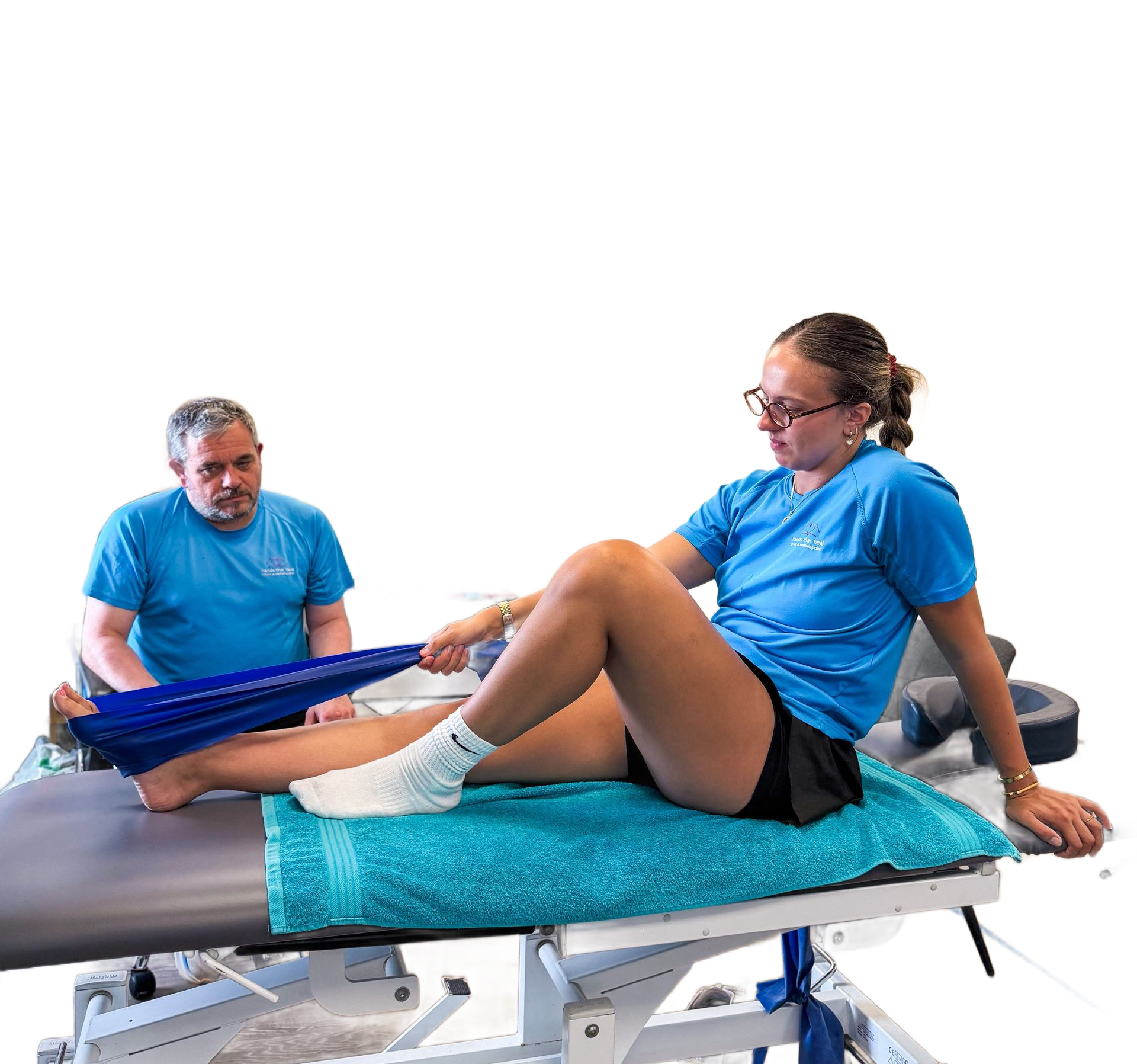
Treatment is centred around gradually rebuilding the foot's ability to tolerate load again. This typically includes:
- Calf stretching and mobility work
- Strengthening exercises for the foot and calf
- Progressive loading exercises
- Balance and stability training
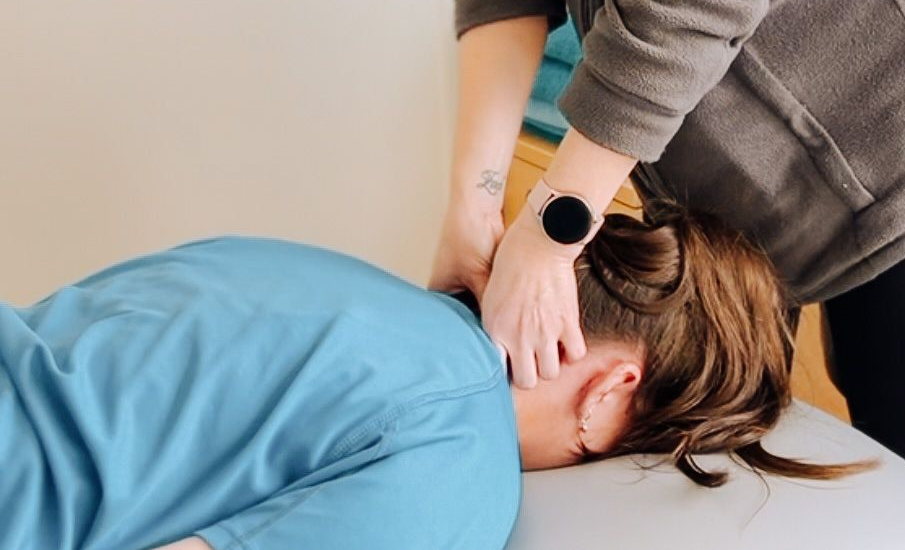
- Hands-on treatment where appropriate
- Advice around temporary activity modification
- Footwear guidance
Complete rest is rarely the answer. Research consistently supports progressive strengthening and stretching as key components of recovery (Morrissey et al., 2021). Controlled, gradual loading almost always produces better long-term outcomes.
Could Custom Insoles Help?
For some people, improving support through the foot can make a significant difference — particularly during prolonged standing or walking.
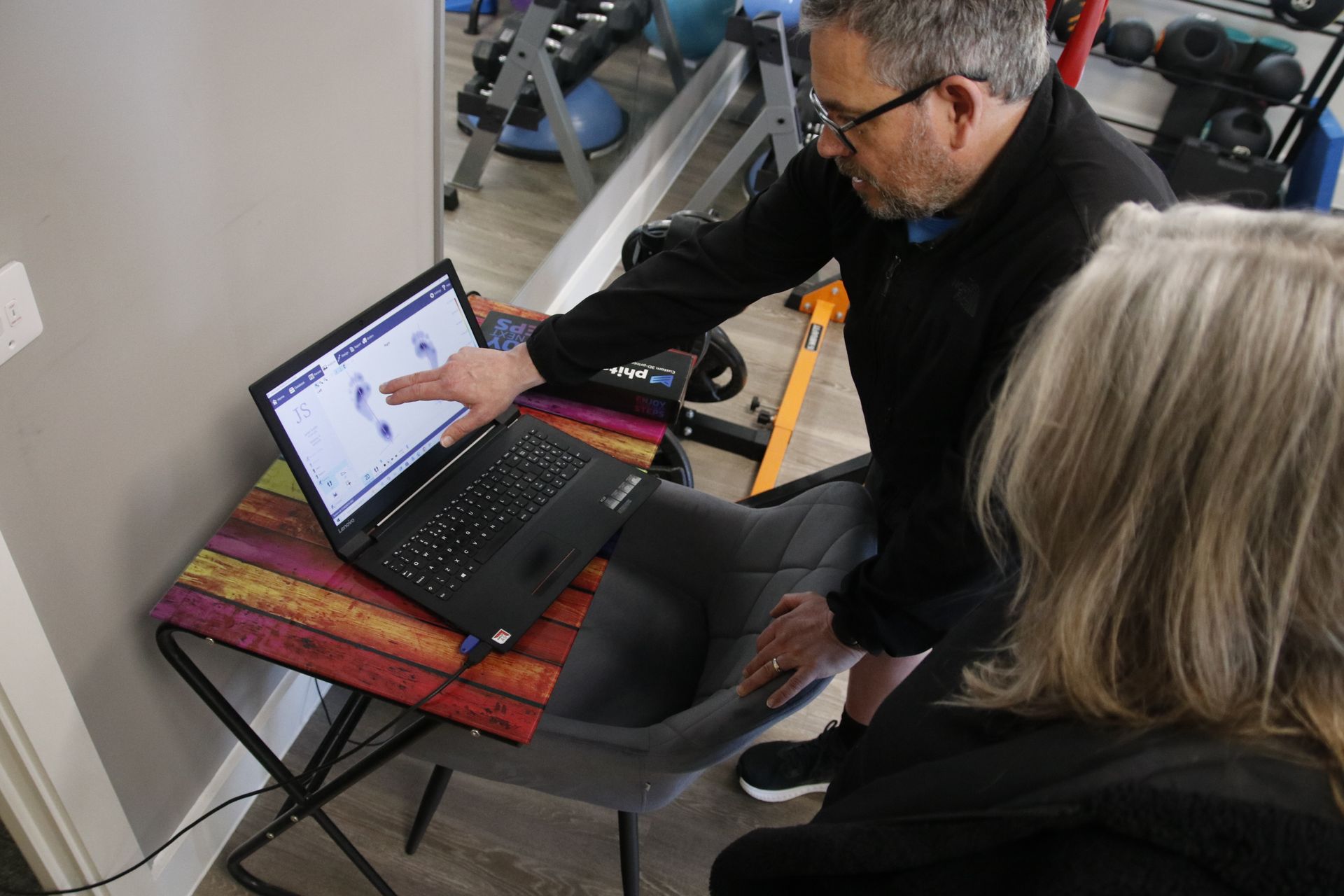
We use Phits custom insoles, produced using detailed pressure and movement analysis. They work by:
- Improving load distribution through the foot
- Supporting the arch more effectively
- Reducing stress on sensitive tissue
- Improving comfort during daily activity
Clinical guidelines support the use of foot orthoses as part of a combined treatment approach — not as a standalone fix, but as a valuable piece of the puzzle (Koc et al., 2023).
The Long-Term Benefits of Getting It Right
When treatment addresses the root causes rather than just masking pain, the results are far more lasting. People typically experience:
- Reduced pain during walking and exercise
- Improved foot and lower limb strength
- Better tolerance to work and daily activity
- Improved movement mechanics
- A significantly reduced chance of it coming back
How to Keep It From Coming Back
Once things improve, maintaining strength and managing load well is key. Some simple strategies:
- Keep up with regular calf mobility work
- Continue strengthening the feet and lower legs
- Gradually progress activity levels rather than jumping back in
- Wear supportive footwear
- Avoid sudden spikes in walking or running volume
- Stay consistent with your exercises
The plantar fascia responds really well to gradual, consistent loading when looked after properly.
Final Thoughts
Plantar fasciitis is incredibly common, and it can be genuinely frustrating when symptoms drag on. But in most cases, it develops gradually due to a combination of loading, movement, strength, and recovery factors — which means there's usually a clear path forward.
Recovery isn't about waiting for pain to disappear. It's about improving your foot's overall ability to handle load again. With the right physiotherapy approach, most people get back to doing everything they love — with significantly less pain and a much lower chance of it coming back.
If you're struggling with heel pain and want to understand what's actually going on, get in touch — we'd love to help.